
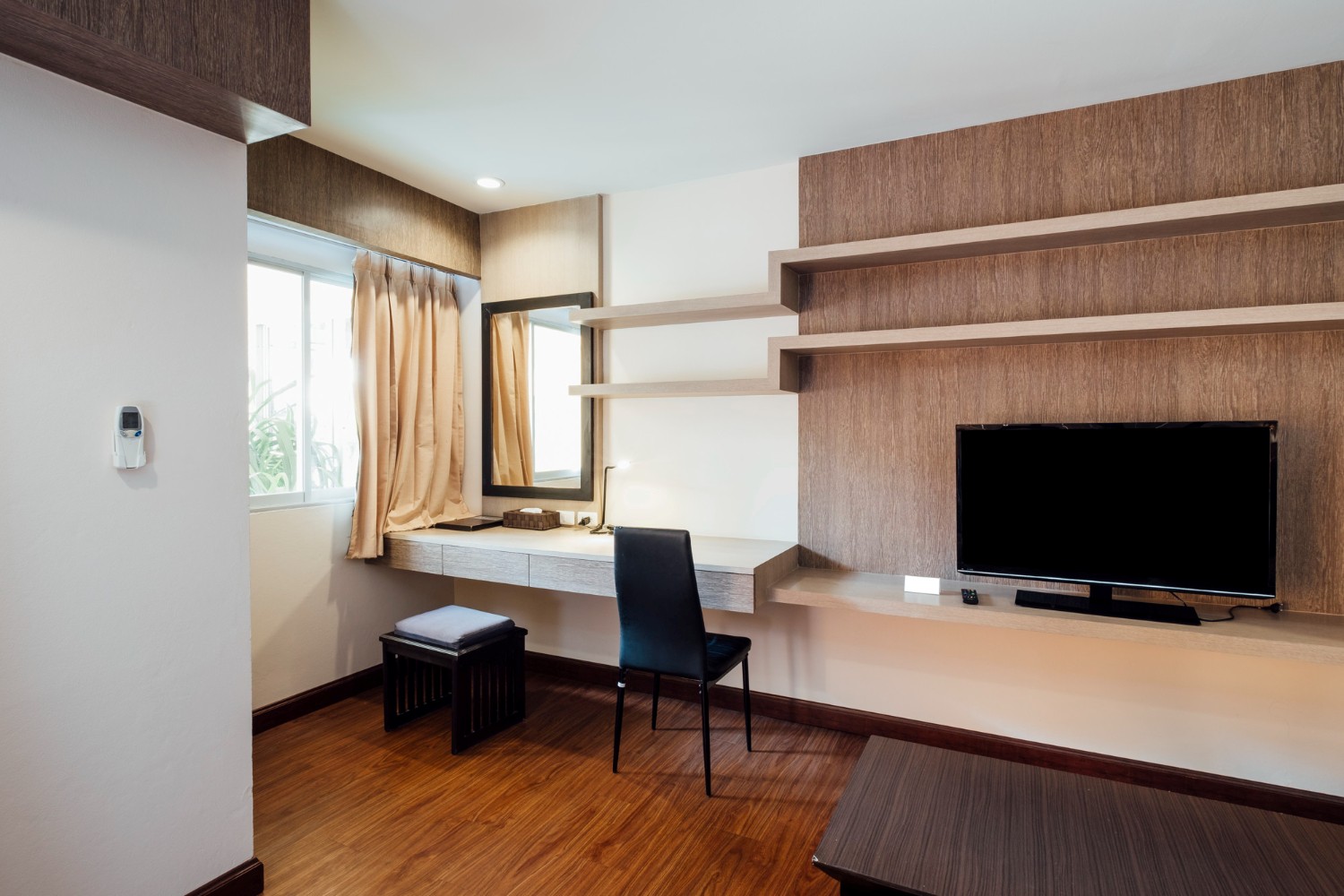
In the world of New York City real estate, space isn’t just a commodity—it’s a luxury. Whether you’re overlooking the High Line in a Manhattan studio or tucked into a historic Brooklyn brownstone, the challenge remains the same: how do you fit a sprawling life into a limited footprint?
The answer isn’t “less stuff.” The answer is smarter storage. At Unique Design Furniture, we specialize in turning the “dead space” of your home into high-performing, beautiful assets. Enter the custom built wall unit: the ultimate secret weapon for the urban dweller.
1. Why “Off-the-Shelf” Fails in the City
It’s tempting to head to a big-box retailer for a modular shelving unit. However, NYC apartments are famous for their “character”—which often translates to uneven floors, radiator pipes in the corners, and non-standard ceiling heights.
The Problem with Modular
- Wasted Space: A standard 72-inch unit in a room with 9-foot ceilings leaves nearly two feet of “dust-collecting” dead space at the top.
- Visual Clutter: Multiple smaller pieces of furniture make a room feel smaller. One continuous, custom wall unit streamlines the visual field, actually making the room appear larger.
- Structural Misfits: Off-the-shelf units rarely account for the crown moldings or baseboards that give your apartment its soul.
2. The Multi-Functionality of a Custom Wall Unit
A wall unit in a small apartment shouldn’t just hold books. It needs to be a Swiss Army knife of design. When we design custom wall units for living rooms, we look at how many “zones” we can integrate into a single piece of millwork.
The Three Pillars of a Modern Wall Unit:
- The Media Hub: Conceal messy wires and bulky electronics behind bespoke panels while creating a dedicated focal point for your TV or sound system.
- The Home Office Nook: With the rise of hybrid work, we often integrate “flip-down” desks or pull-out surfaces that disappear when the workday is over.
- The Luxury Display: Open shelving with integrated LED lighting allows you to showcase your personality without the room feeling “heavy.”
3. Design Strategies for “Vertical Living”
To truly master the custom built wall unit, you have to think vertically. Here is how we use bespoke millwork to trick the eye and expand the room.
Floor-to-Ceiling Integration
By running your cabinetry all the way to the ceiling, you draw the eye upward, highlighting the height of the room rather than its narrow width.
“Floating” Aesthetics
For extremely tight spaces, we often recommend “floating” base cabinets. By exposing the floor underneath the unit, you create an illusion of more square footage while still gaining massive storage capacity.
Mirrors and Light
Integrating mirrored back-panels into your custom wall unit reflects natural light from windows, doubling the perceived depth of the room. When paired with the antique cream and gold finishes we frequently use for traditional NYC projects, the result is nothing short of regal.
4. Balancing Storage and Style
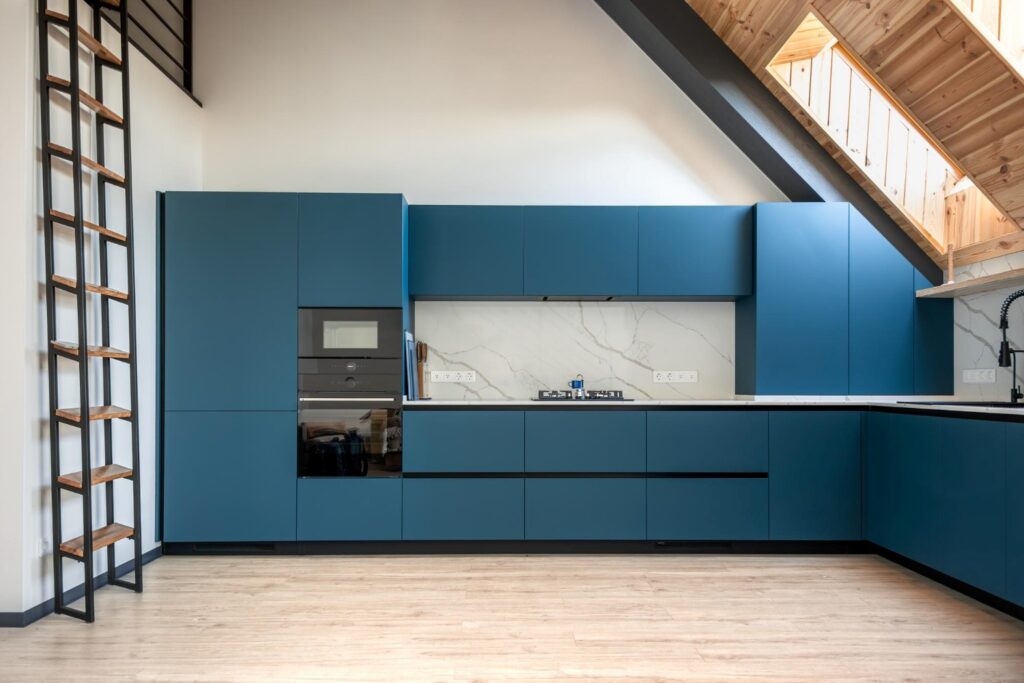
One of our primary goals at UDFNYC is ensuring your storage doesn’t look like a “closet.” We utilize the same high-end techniques found in our custom kitchens—such as inset doors and hand-carved moldings—to ensure your wall unit feels like a piece of fine furniture.
| Feature | Small Space Benefit |
| Pocket Doors | Hide a TV or desk without doors swinging out into traffic lanes. |
| Glass Inserts | Softens the “bulk” of large cabinets while keeping items dust-free. |
| Toekick Drawers | Perfect for storing items you only use once a year (like holiday linens). |
| Integrated Lighting | Eliminates the need for bulky floor lamps that take up floor space. |
5. The ROI: Custom Millwork as a Property Investment
In the competitive NYC market, a “custom built-in” is one of the few renovations that offers an immediate return on investment. Future buyers in Manhattan and Brooklyn aren’t just looking for square footage—they are looking for solutions.
A professionally designed wall unit tells a buyer: “This home is organized, efficient, and luxurious.” It transforms an awkward living room into a sophisticated, turnkey suite.
Why Choose UDFNYC for Your Wall Unit?
You don’t need more room; you need more vision. Our master craftsmen understand the unique architectural DNA of New York buildings. From the initial measurement to the final hand-applied finish, we ensure your custom wall unit is a perfect fit—for your walls and your life.
Expert Tip: If you live in a pre-war apartment, don’t try to fight the architecture. Let us design your wall around those stubborn radiators or weird ceiling beams. It turns a “problem” into a custom design feature.
Key Takeaways for Your Apartment Upgrade
- Go Vertical: Always aim for floor-to-ceiling to maximize volume.
- Go Integrated: Combine your office, media, and storage into one footprint.
- Go Custom: Ensure every inch is utilized, leaving no gaps for dust or wasted potential.
Ready to reclaim your living room?
Contact Unique Design Furniture NYC today for a consultation. Let’s build something that makes your small apartment feel like a grand estate.
Frequently Asked Questions: Bespoke Wall Units for NYC Apartments
1. How much does a custom built wall unit cost in NYC? Pricing for these bespoke installations depends on dimensions, material selection, and integrated features like LED lighting or hidden workstations. Because our millwork is a long-term investment in your property’s value, we provide precise, transparent quotes following an on-site measurement and consultation.
2. Can these units be installed in a rental apartment? Yes. While many people think of them as permanent “built-ins,” we can craft high-end, free-standing versions. These offer the same floor-to-ceiling elegance but are designed to be disassembled and moved—making them a perfect solution for luxury renters in Manhattan or Brooklyn.
3. What is the best material for a living room wall unit? For residential projects, we typically combine premium hardwoods like walnut or oak for structural durability with high-quality MDF for seamless painted finishes. This ensures your custom wall unit can support the weight of heavy media systems and extensive book collections without sagging over time.
4. How long does the process take from start to finish? Most projects typically range from 6 to 10 weeks. This window covers every stage of the journey: from the initial design and material sourcing to the hand-crafting of the piece in our shop and the final professional installation in your home.